

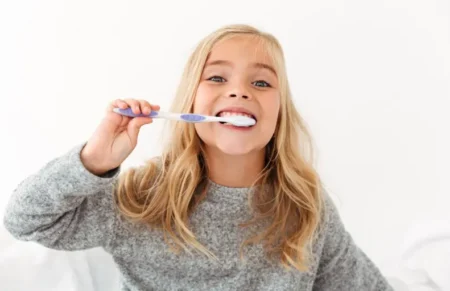
Many parents think baby teeth are temporary, so they are not as important. In reality, early dental care affects how permanent teeth develop and how healthy the mouth becomes later in life. Problems that begin in childhood often continue into adulthood. Children’s teeth are more vulnerable because enamel is thinner and less resistant to acids and bacteria. This means proper care needs to start early, long before the first serious dental issue appears.
Why Baby Teeth Matter More Than People Think
Baby teeth help much more than chewing. They support speech development, proper jaw growth, and guide permanent teeth into correct positions.
If baby teeth are damaged or lost too early, surrounding teeth may shift. This can affect bite alignment and create orthodontic problems later. Healthy early teeth create the foundation for long-term oral health.
When Dental Care Should Actually Begin
Oral care should begin even before all teeth appear. Once the first tooth erupts, gentle cleaning becomes important because bacteria start accumulating immediately.
At first, a soft cloth or infant toothbrush is enough. As more teeth appear, regular brushing becomes part of the daily routine. The earlier this habit starts, the more natural it feels for the child later.
How Often Children Should Brush Their Teeth
Children should brush twice a day, just like adults. Morning brushing removes bacteria that build overnight, while evening brushing is especially important because saliva production decreases during sleep.
Without cleaning before bed, food residue and bacteria remain on the teeth for hours. This significantly increases the risk of cavities, especially in children because their enamel is more sensitive.
Why Sugar Affects Children’s Teeth So Quickly
Sugar itself is not the direct problem. The issue is how bacteria in the mouth use sugar to produce acids. These acids weaken enamel and create cavities.
Sticky snacks and sugary drinks are especially harmful because they stay on the teeth longer. Frequent small snacks throughout the day also increase risk because the mouth constantly stays in an acidic environment.
Why Technique Matters More Than Force
Children often brush too quickly or with poor control. Parents sometimes focus only on whether brushing happens, but technique is what actually cleans the teeth.
Soft circular movements along the gumline work best. Aggressive brushing is unnecessary and may irritate sensitive gums. Younger children usually need parental assistance because fine motor control develops gradually.
How Fluoride Helps Protect Teeth
Fluoride strengthens enamel and helps teeth resist acid damage. This is especially important for children because developing enamel is more vulnerable.
Using age-appropriate fluoride toothpaste in small amounts supports protection without overexposure. Consistent use creates stronger resistance against cavities over time.
Why Dental Visits Should Start Early
Early dental visits help children become comfortable with dental care before problems appear. Preventive checkups are much easier emotionally than visits connected to pain or treatment.
Dentists can also identify early signs of cavities, bite issues, or habits that may affect development. Addressing small issues early prevents more complicated problems later.
What Healthy Children’s Teeth Look Like Over Time
When dental care becomes a consistent habit early, children usually experience fewer problems and less fear around oral health. Teeth stay stronger, gums remain healthier, and routines feel normal instead of forced.
The goal is not perfect teeth immediately. It is creating habits and conditions that protect oral health naturally as the child grows.
Picture Credit: Magnific