

Tag: gums
-

Why Do Teeth Become Sensitive and What Can You Do About It?
A sip of cold water or a bite of ice cream should not make you hesitate because of sudden tooth pain. Yet tooth sensitivity affects many people and can turn ordinary activities such as eating, drinking, and brushing into uncomfortable experiences. Sensitive teeth can develop for several reasons, from enamel wear to gum problems. Understanding…
-
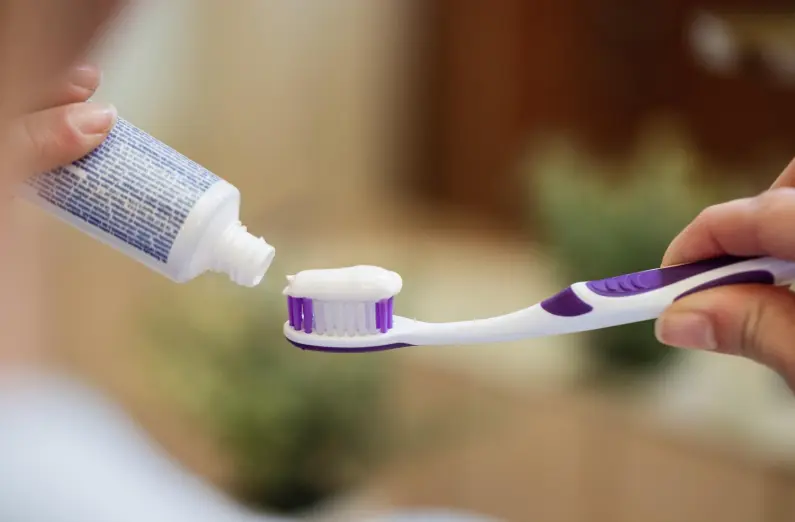
How to Choose the Right Toothpaste for Your Teeth
Choosing the right toothpaste can be confusing because most products promise several benefits at once. Some focus on whitening, while others are designed for sensitivity, gum health, tartar control, or cavity prevention. The best option depends on the condition of your teeth and gums rather than the brand name or packaging. A good toothpaste should…
-

Why Bleeding Gums Should Never Be Ignored
Many people see a little blood when brushing or flossing and assume it is normal. Because the bleeding is often painless, it is easy to ignore. However, healthy gums generally do not bleed during routine oral care. In most cases, bleeding is an early warning sign that the gums are inflamed and need attention before…
-

The Dental Habit That Damages Teeth Without You Realizing It
Most people know that sugar, poor brushing habits, and skipping dental visits can harm their teeth. However, one of the most common causes of dental problems often goes completely unnoticed. Many people damage their teeth every day through unconscious habits that gradually wear down enamel, strain the jaw, and increase the risk of long-term oral…
-

Is Chewing Gum Actually Bad For Your Teeth
Chewing gum has a strange reputation. Some people think it damages teeth and the jaw, while others see it as helpful for fresh breath and oral hygiene. The truth is more nuanced. Dentists do not usually consider chewing gum harmful by itself. The effect depends on the type of gum, how often it is used,…
-

How To Care For Children’s Teeth
Many parents think baby teeth are temporary, so they are not as important. In reality, early dental care affects how permanent teeth develop and how healthy the mouth becomes later in life. Problems that begin in childhood often continue into adulthood. Children’s teeth are more vulnerable because enamel is thinner and less resistant to acids…
-

How To Brush Your Teeth Properly Step By Step
Most people brush their teeth every day. Fewer people do it correctly. Brushing isn’t just about moving a toothbrush around for two minutes. It’s about removing plaque without damaging enamel or gums. Done right, brushing prevents cavities, gum disease, bad breath, and long-term dental problems. Start With The Right Tools Use a soft-bristled toothbrush. Hard…
-
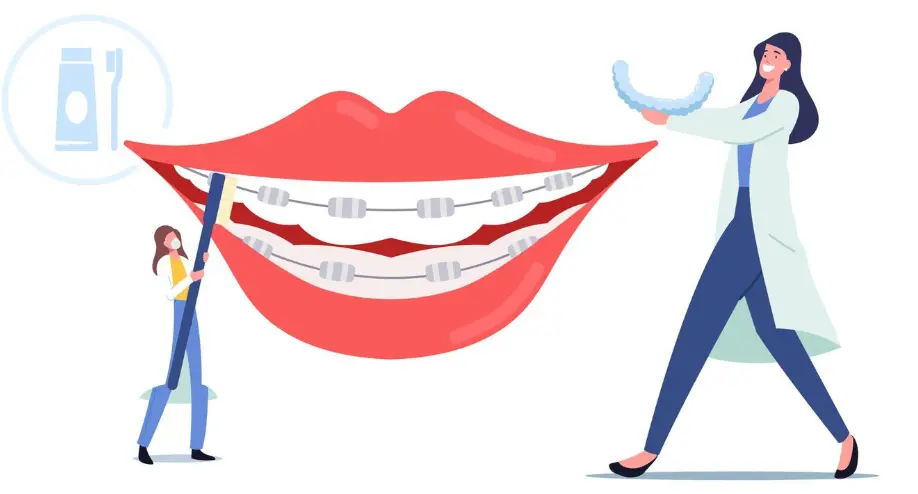
What Braces Actually Do And Why People Choose Them
Braces aren’t just about straight teeth. They’re about how your bite works, how pressure is distributed, and how your jaw moves. When teeth are misaligned, chewing becomes uneven, enamel wears faster, gums suffer, and the jaw works harder than it should. Braces correct these patterns gradually, not instantly, by guiding teeth into positions where the…
-

Why Gum Health Matters More
People focus on teeth because they’re visible. Gums stay in the background until they don’t. Bleeding, tenderness, swelling, sensitivity. These signs usually appear quietly and are easy to ignore. Healthy gums are the foundation for healthy teeth. When gums weaken, teeth follow. Not immediately, but inevitably. That’s why gum care isn’t cosmetic. It’s structural. Gums…
-
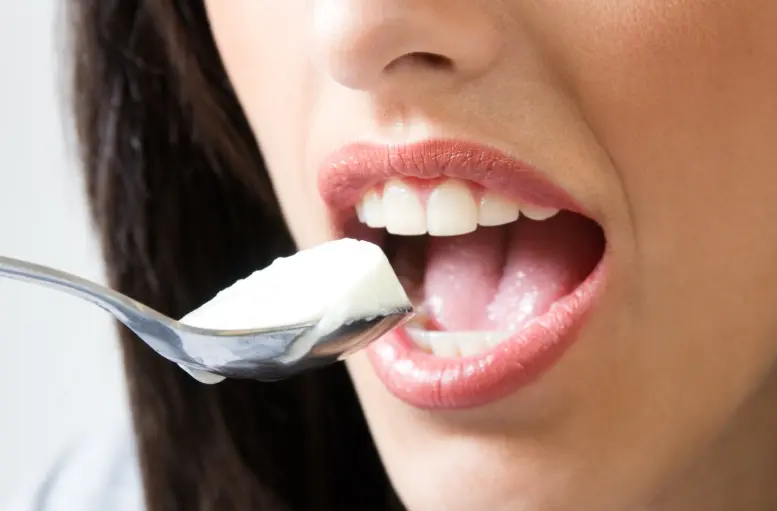
Why Teeth Care Starts With What You Eat
Most people think tooth damage starts in the bathroom. In reality, it usually starts in the kitchen. You can brush twice a day and still slowly ruin your teeth if your diet works against you. Food interacts with enamel long before a toothbrush does. Acids soften it. Sugar feeds bacteria. Texture decides whether teeth get…
-

Bad Breath? The Real Reason Might Be Between Your Teeth
We all know the awkwardness of bad breath — whether it’s worrying about our own or noticing someone else’s. And while mouthwash or gum can mask it, the real cause often hides in a spot many people skip in their daily routine: between the teeth. Here’s why flossing isn’t just a dental recommendation — it’s…
-
Common Dental Health Myths
We all want healthy teeth and gums, but not everything we hear about oral care is actually true. Some well-meaning advice can end up causing damage, not protection. Let’s bust a few popular myths that sound helpful — but aren’t. Myth 1: Brushing Harder Means Cleaner Teeth It might seem like the more pressure you…