

Category: Gum
-

Why Bleeding Gums Should Never Be Ignored
Many people see a little blood when brushing or flossing and assume it is normal. Because the bleeding is often painless, it is easy to ignore. However, healthy gums generally do not bleed during routine oral care. In most cases, bleeding is an early warning sign that the gums are inflamed and need attention before…
-

The Dental Habit That Damages Teeth Without You Realizing It
Most people know that sugar, poor brushing habits, and skipping dental visits can harm their teeth. However, one of the most common causes of dental problems often goes completely unnoticed. Many people damage their teeth every day through unconscious habits that gradually wear down enamel, strain the jaw, and increase the risk of long-term oral…
-

Why Your Teeth Get More Sensitive As You Age
Many people notice that foods and drinks they once enjoyed without a second thought suddenly begin causing discomfort. Ice water feels painfully cold, hot coffee creates a sharp sensation, and even sweet foods can trigger unexpected sensitivity. While this change is common with age, it is not simply something people have to accept. Tooth sensitivity…
-

Is Chewing Gum Actually Bad For Your Teeth
Chewing gum has a strange reputation. Some people think it damages teeth and the jaw, while others see it as helpful for fresh breath and oral hygiene. The truth is more nuanced. Dentists do not usually consider chewing gum harmful by itself. The effect depends on the type of gum, how often it is used,…
-
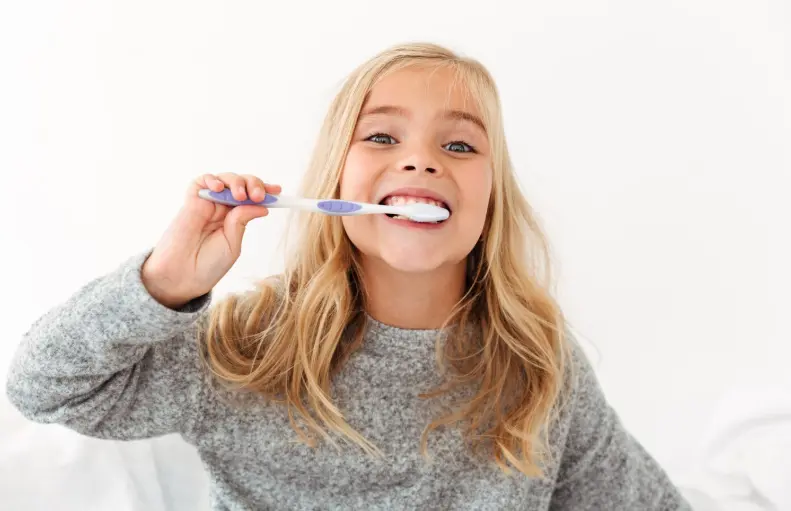
How To Care For Children’s Teeth
Many parents think baby teeth are temporary, so they are not as important. In reality, early dental care affects how permanent teeth develop and how healthy the mouth becomes later in life. Problems that begin in childhood often continue into adulthood. Children’s teeth are more vulnerable because enamel is thinner and less resistant to acids…
-
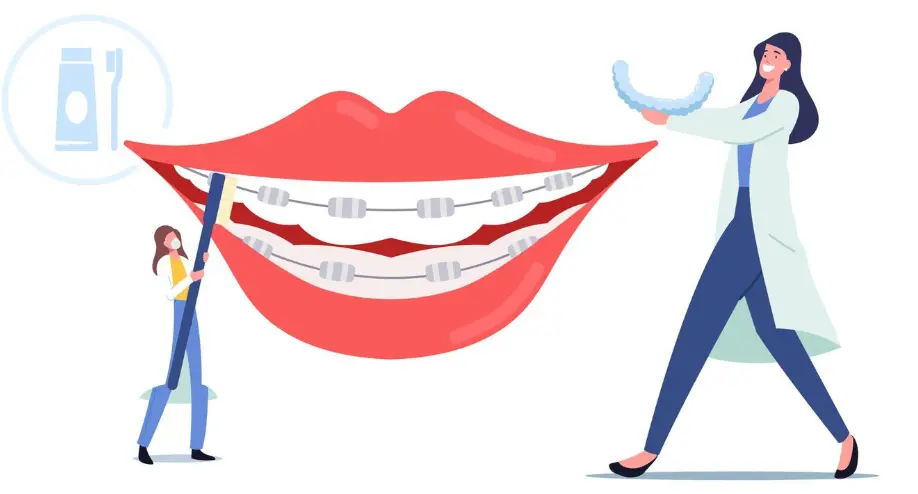
What Braces Actually Do And Why People Choose Them
Braces aren’t just about straight teeth. They’re about how your bite works, how pressure is distributed, and how your jaw moves. When teeth are misaligned, chewing becomes uneven, enamel wears faster, gums suffer, and the jaw works harder than it should. Braces correct these patterns gradually, not instantly, by guiding teeth into positions where the…
-
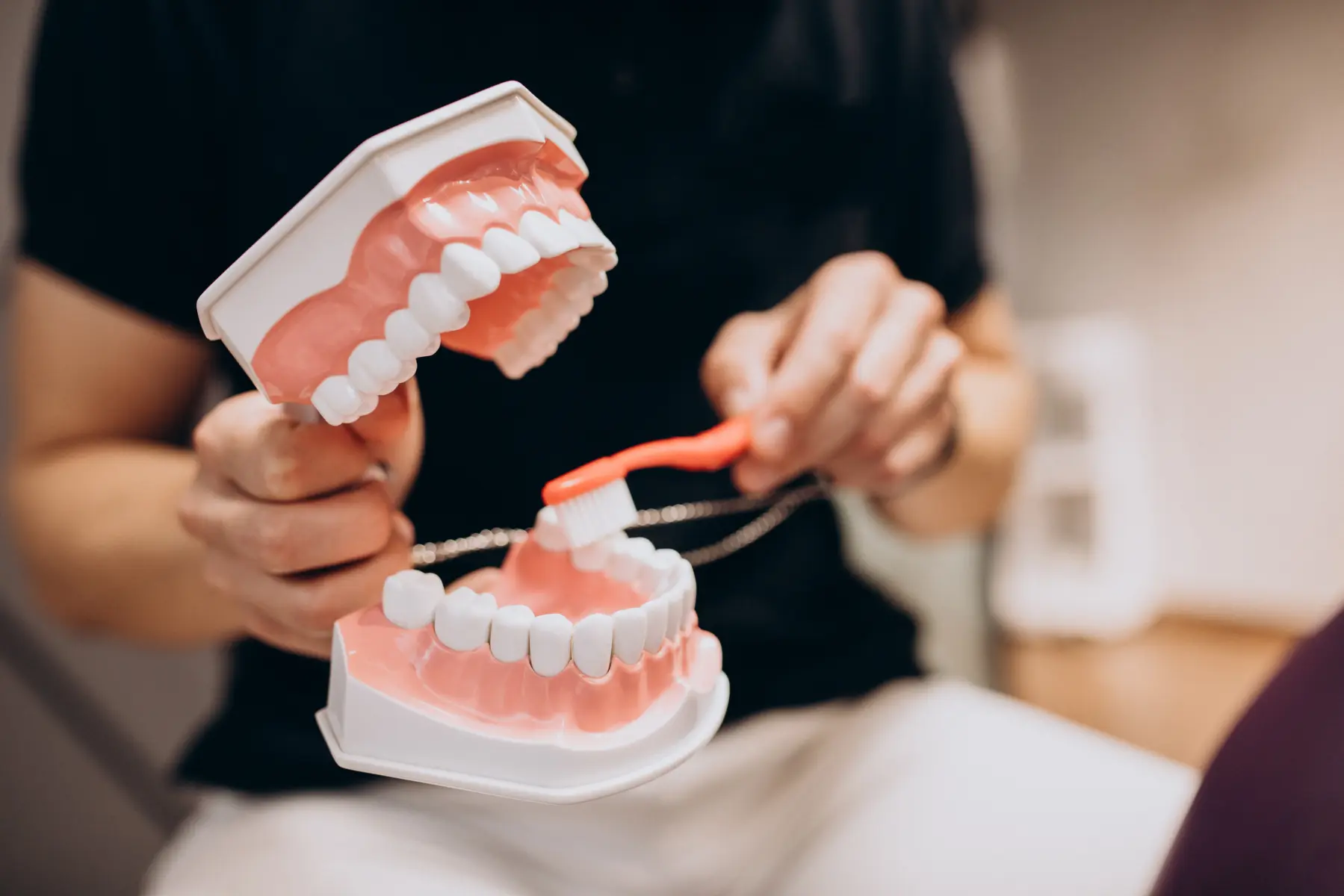
Why Teeth Suffer From Habits More Than From Sweets
Most serious dental damage doesn’t come from one bad food or missed brushing. It comes from habits repeated daily. Things you barely notice. Things that feel harmless. Teeth don’t break suddenly. They wear down, weaken, and inflame slowly. That’s why harmful habits matter more than occasional sugar. Constant Snacking Keeps Teeth Under Attack Teeth need…
-

Why Gum Health Matters More
People focus on teeth because they’re visible. Gums stay in the background until they don’t. Bleeding, tenderness, swelling, sensitivity. These signs usually appear quietly and are easy to ignore. Healthy gums are the foundation for healthy teeth. When gums weaken, teeth follow. Not immediately, but inevitably. That’s why gum care isn’t cosmetic. It’s structural. Gums…
-
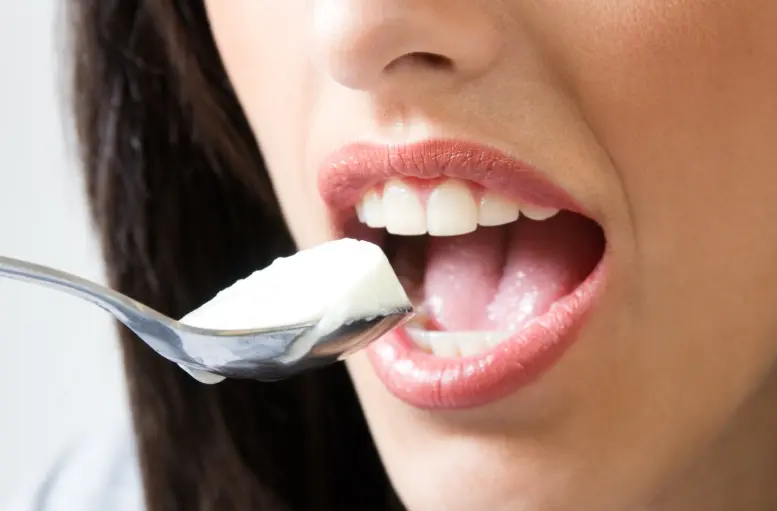
Why Teeth Care Starts With What You Eat
Most people think tooth damage starts in the bathroom. In reality, it usually starts in the kitchen. You can brush twice a day and still slowly ruin your teeth if your diet works against you. Food interacts with enamel long before a toothbrush does. Acids soften it. Sugar feeds bacteria. Texture decides whether teeth get…
-

Why Toothpaste Choice Matters More Than You Think
You use it every day, sometimes twice, sometimes more. But most people grab whatever tube looks familiar or cheap and never think about it again. Still, the right toothpaste does more than clean your teeth. It protects enamel, prevents cavities, reduces sensitivity and keeps your mouth healthy long-term. A small change in what you use…
-

5 Tooth Myths That Are Ruining Your Smile
Everyone thinks they know how to take care of their teeth. Brush twice a day, don’t eat too much sugar, visit the dentist sometimes — easy, right?Except, half of what people “know” about dental care isn’t true at all. From old-school advice to internet tips, some myths stick so firmly that they do more harm…
-
The Hidden Language of Dental Problems
Teeth rarely hurt without a reason. They whisper before they scream — a little sensitivity here, a dull ache there, a spot that doesn’t feel quite right. Most people learn to ignore those signs until they can’t anymore. But every twinge, every strange taste, every gum bleed is the mouth’s way of saying something important:…