

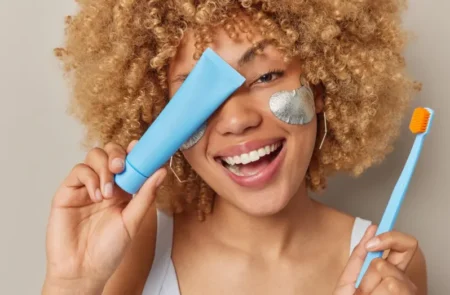
Most people don’t think much about their toothbrush. You grab one, use it every day, and assume it does the job. But the type of brush and how you use it directly affect your teeth and gums. A wrong choice or bad habits can lead to sensitivity, gum irritation, or even long-term damage. A good toothbrush should clean effectively without harming enamel or soft tissue.
Why Soft Bristles Are Almost Always The Best Choice
Many people believe harder bristles clean better. It feels logical, but it’s not true. Hard bristles can damage enamel, which is the protective outer layer of your teeth, and irritate your gums over time. Soft bristles are strong enough to remove plaque but gentle enough to protect your mouth. Dentists usually recommend soft brushes because they reduce the risk of long-term damage while still keeping teeth clean.
Manual Vs Electric Toothbrush What Actually Matters
There is a lot of debate about manual and electric toothbrushes. Both can work well if used correctly. Electric brushes make the process easier because they handle most of the movement for you. They are helpful if you struggle with technique or tend to rush brushing. Manual brushes require more control, but they can be just as effective if you use proper technique and enough time. The difference is not the tool itself, but how consistently and correctly you use it.
How Brushing Technique Changes Everything
Even the best toothbrush won’t help if the technique is wrong. Many people brush too hard, thinking it removes more plaque. In reality, gentle pressure works better. The brush should move slowly along the gum line, cleaning each area without force. Brushing should last about two minutes, covering all surfaces of the teeth. Rushing or skipping areas reduces effectiveness no matter how good the toothbrush is.
Why Toothbrush Size And Shape Matter
The size of the brush head also plays a role. A smaller head makes it easier to reach all areas, especially the back teeth. If the brush is too large, it becomes harder to clean properly. The handle should feel comfortable and easy to control. When a toothbrush fits well in your hand and mouth, brushing becomes more precise and less tiring.
How Often You Should Replace Your Toothbrush
Toothbrushes wear out over time. Bristles lose their shape and become less effective at cleaning. They can also collect bacteria if used for too long. Replacing your toothbrush every three months is a good general rule. If the bristles start looking bent or worn earlier, it’s better to change it sooner. A fresh brush cleans better and feels more comfortable.
What A Good Toothbrush Routine Feels Like
When everything is right, brushing feels easy and effective. You don’t need to press hard or spend extra time trying to get a clean feeling. Teeth feel smooth, gums are not irritated, and the process becomes part of your routine without effort. The goal is not to find a perfect toothbrush. It is to create a simple, consistent habit that keeps your mouth healthy every day.
Picture Credit: Freepik