

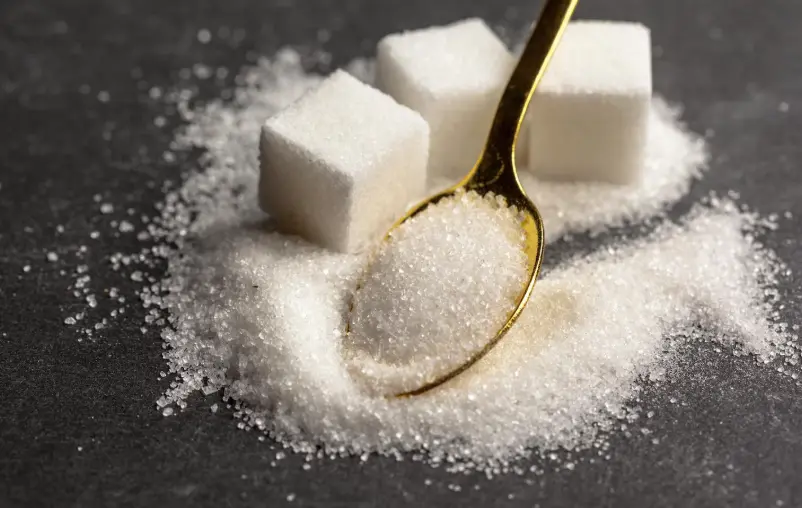
Sugar feels harmless in the moment. You taste the sweetness, enjoy the snack, and move on. But the real effect shows up later — quietly, gradually, and always in the same place: your teeth. Sugar isn’t dangerous by itself. The trouble begins with what happens after it hits your mouth. And once you understand that process, you start seeing sugar differently.
Your teeth don’t get damaged instantly. They get worn down by patterns.
What Actually Happens When Sugar Meets Your Teeth
The moment sugar touches your mouth, the bacteria on your teeth wake up. They feed on that sugar and break it down. And while they do that, they release acid. That acid is the real enemy.
You don’t feel the acid destroying enamel, because it works slowly. It creates tiny weak spots. These weak spots get deeper with every sugary snack, drink or dessert. Over time, enamel thins, and cavities show up in places you didn’t notice before.
It’s the daily repetition — not one piece of candy — that causes trouble.
Why Sticky Sugar Is Worse Than Sweet Drinks
Not all sugar behaves the same. Sticky candy, dried fruit, caramel or gummies cling to your teeth. They sit there longer, give bacteria more time to produce acid and keep attacking your enamel.
Sweet drinks — soda, juice, energy drinks — spread sugar across every surface of your mouth. Even though the liquid leaves fast, the sugar film stays behind.
The longer sugar stays in contact with your teeth, the more damage the bacteria can do.
How Frequent Snacking Makes the Problem Bigger
Your teeth handle sugar better when it comes all at once than when it arrives little by little all day. Every time you eat something sweet, your mouth goes acidic for about 20–30 minutes.
If you snack often, your teeth never get a break. They stay in that acid zone for hours. Enamel doesn’t get a chance to recover. That’s why people who sip soda slowly or chew sweet snacks constantly see cavities faster than people who finish a treat quickly and move on.
It’s not only how much sugar you eat — it’s how often.
What Sugar Does to Kids’ Teeth
Children’s enamel is thinner and softer. That makes it more sensitive to acid. They also love sweet foods and don’t always brush well. So the combination hits harder: faster decay, more sensitive spots, and cavities that develop earlier than expected.
Kids don’t feel pain at first. But once sugar routines build up, the problems show up all at once.
Sugar Doesn’t Only Damage Teeth — It Affects Gums Too
When bacteria grow because of constant sugar, they don’t stop at enamel. They settle along the gumline. That leads to inflammation, irritation, and the first signs of gum disease.
Your gums stay red or swollen. They bleed a little when you brush. You feel tenderness when you bite. That’s the result of letting bacteria stay active for too long.
Healthy gums depend on healthy habits, not just healthy teeth.
How to Reduce the Damage Without Giving Up Sugar
You don’t need to quit sugar completely. You just need to use it smarter. A few simple habits make a huge difference:
eat sweets with meals, not alone
drink water after something sugary
chew sugar-free gum to stimulate saliva
avoid constant sipping on sweet drinks
brush gently twice a day
Your mouth can handle sugar — it just needs time to recover between exposures.
Strong Teeth Depend on Balance
Sugar becomes a problem only when it dominates your day. Enamel can repair small damage. Saliva can neutralize acids. Good brushing removes buildup.
But none of that works if you give your teeth sugar every hour.
Balance keeps enamel strong.
Balance keeps bacteria under control.
Balance keeps your smile healthy for the long run.
In the end, sugar affects your teeth slowly, silently and consistently — unless you stay aware. Once you understand how it works, protecting your mouth becomes easier than you think.
Picture Credit: Freepik