

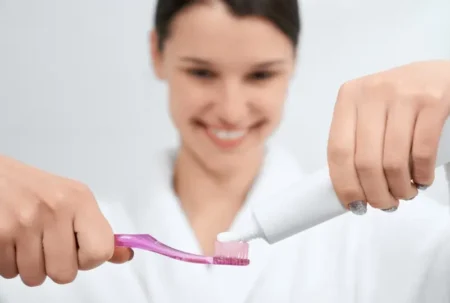
Whitening toothpaste sounds like an easy fix. You brush your teeth, and they become noticeably whiter. In reality, it works a bit differently. These toothpastes don’t actually change the natural color of your teeth deeply. They mostly remove surface stains caused by coffee, tea, or smoking. That’s why the result is usually subtle. You may notice a cleaner, brighter look, but not a dramatic transformation.
How Whitening Toothpastes Actually Work
Most whitening toothpastes rely on two main mechanisms. First is abrasion, which means tiny particles polish the surface of your teeth and remove stains. Second is chemical action, where ingredients like hydrogen peroxide or baking soda help break down discoloration. This combination makes teeth look cleaner and slightly brighter, but it does not change their internal shade. That’s why results take time and are usually mild compared to professional treatments.
How Long It Takes To See Results
Whitening toothpaste doesn’t work instantly. Most people start noticing a difference after a few weeks of consistent use. Typically, it takes around two to six weeks to see visible improvement, and even then the effect is gradual. This makes it more of a maintenance tool than a fast solution. It works best if your teeth are slightly stained rather than deeply discolored.
Are Whitening Toothpastes Safe For Daily Use
In general, whitening toothpastes are safe when used correctly. However, problems appear when people use them too aggressively. Brushing too hard or too often can damage enamel, which is the protective outer layer of your teeth. Overuse can also lead to sensitivity, especially if the toothpaste contains strong active ingredients.
Why Some Whitening Toothpastes Can Be Harmful
The main risk comes from abrasiveness. Whitening formulas often contain stronger polishing particles than regular toothpaste. While these help remove stains, they can also wear down enamel over time if used incorrectly. Once enamel becomes thinner, teeth may actually look more yellow, because the inner layer is naturally darker. This is why more whitening is not always better.
Who Should Be Careful Using Them
Not everyone benefits from whitening toothpaste in the same way. People with sensitive teeth may notice discomfort after using them. Those with already thin enamel or dental issues should be especially careful. If sensitivity appears, it’s usually a sign to reduce use or switch to a milder option. Listening to your body matters more than following trends.
How To Use Whitening Toothpaste The Right Way
The safest approach is simple. Use it like regular toothpaste, no more than twice a day, with gentle brushing. You don’t need to press harder or brush longer. In fact, that increases the risk of damage. Many dentists also recommend alternating with a regular fluoride toothpaste to keep enamel strong. Consistency matters more than intensity.
What Whitening Toothpaste Is Actually Good For
Whitening toothpaste works best as a maintenance tool. It helps keep teeth clean and prevents new stains from building up. If your goal is a slightly brighter, fresher look, it does the job well. But if you expect a major color change, it will likely disappoint. The real benefit is simple. It improves how your teeth look on the surface without requiring complex treatments. When used correctly, it can be part of a healthy routine, just not a miracle solution.
Picture Credit: Freepik